Zaprikraj Outdoor Museum
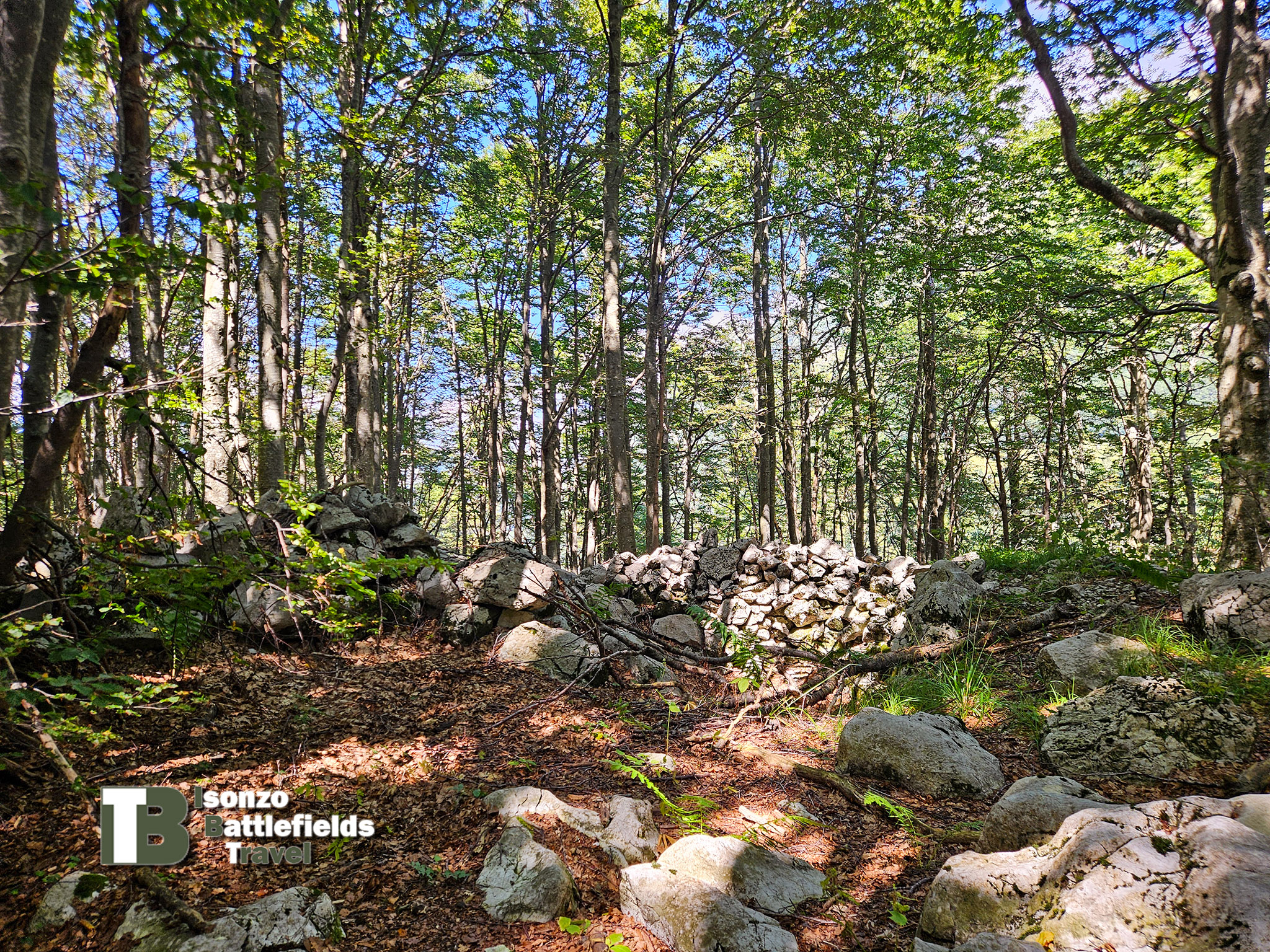
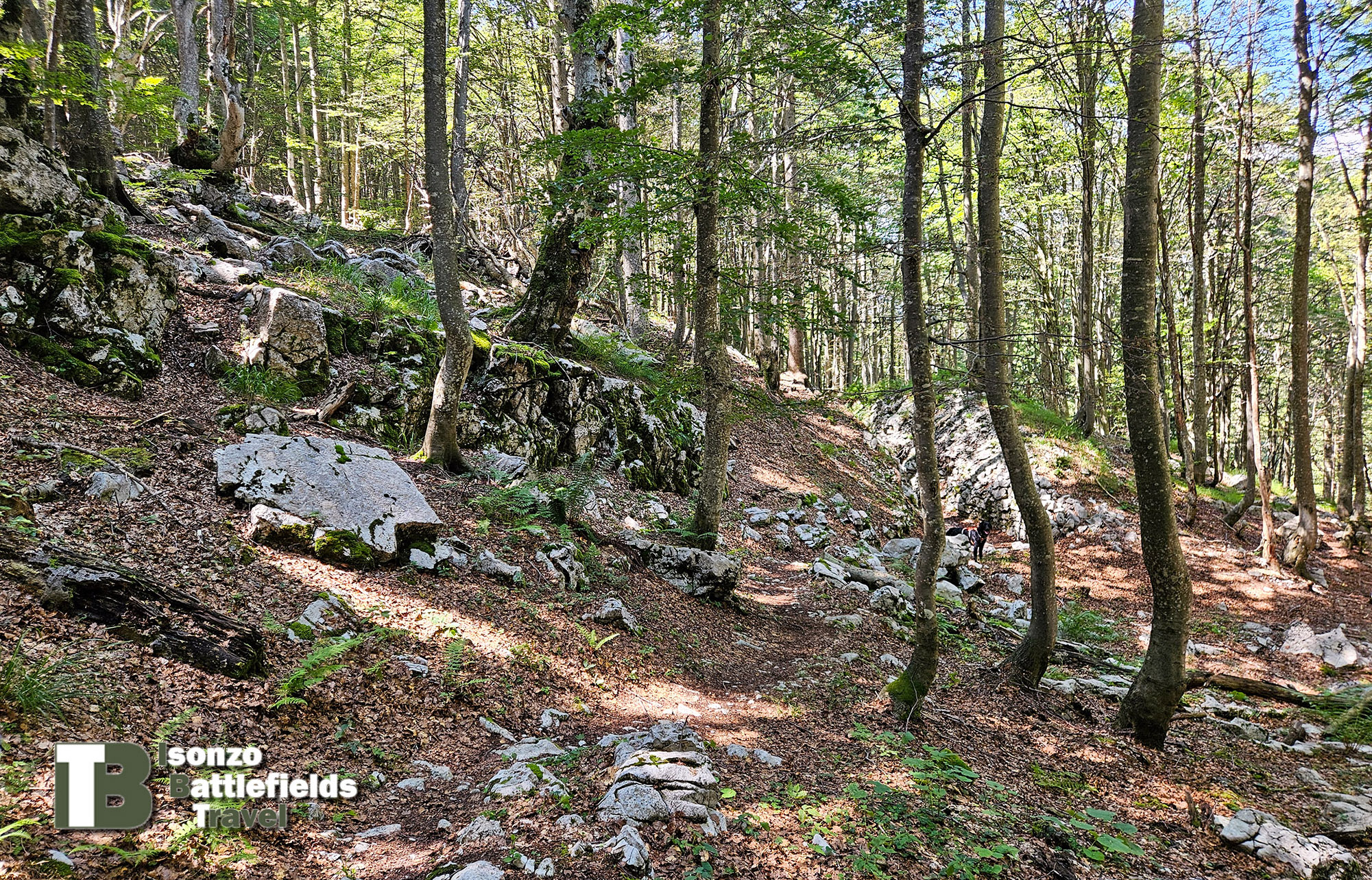
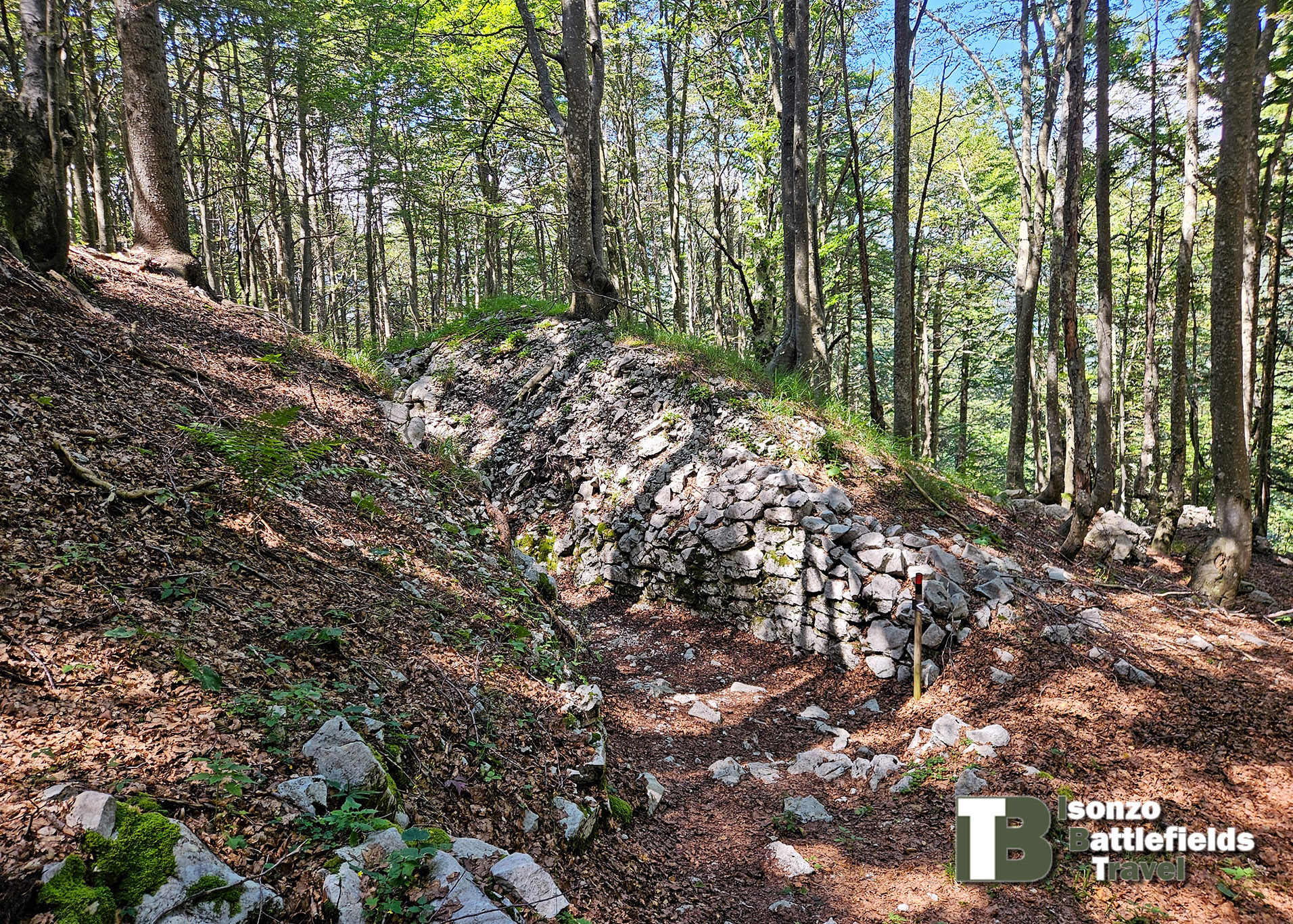
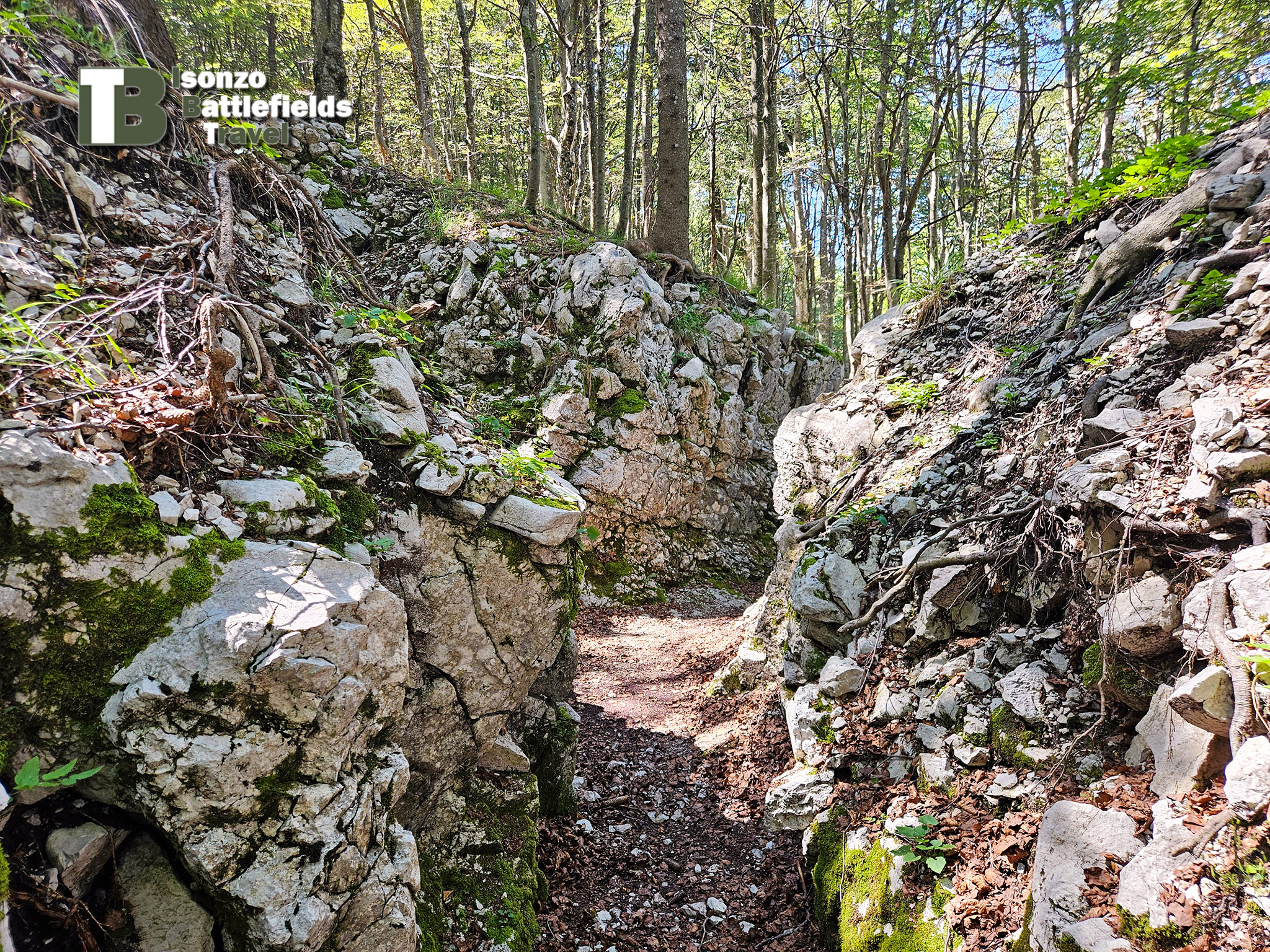
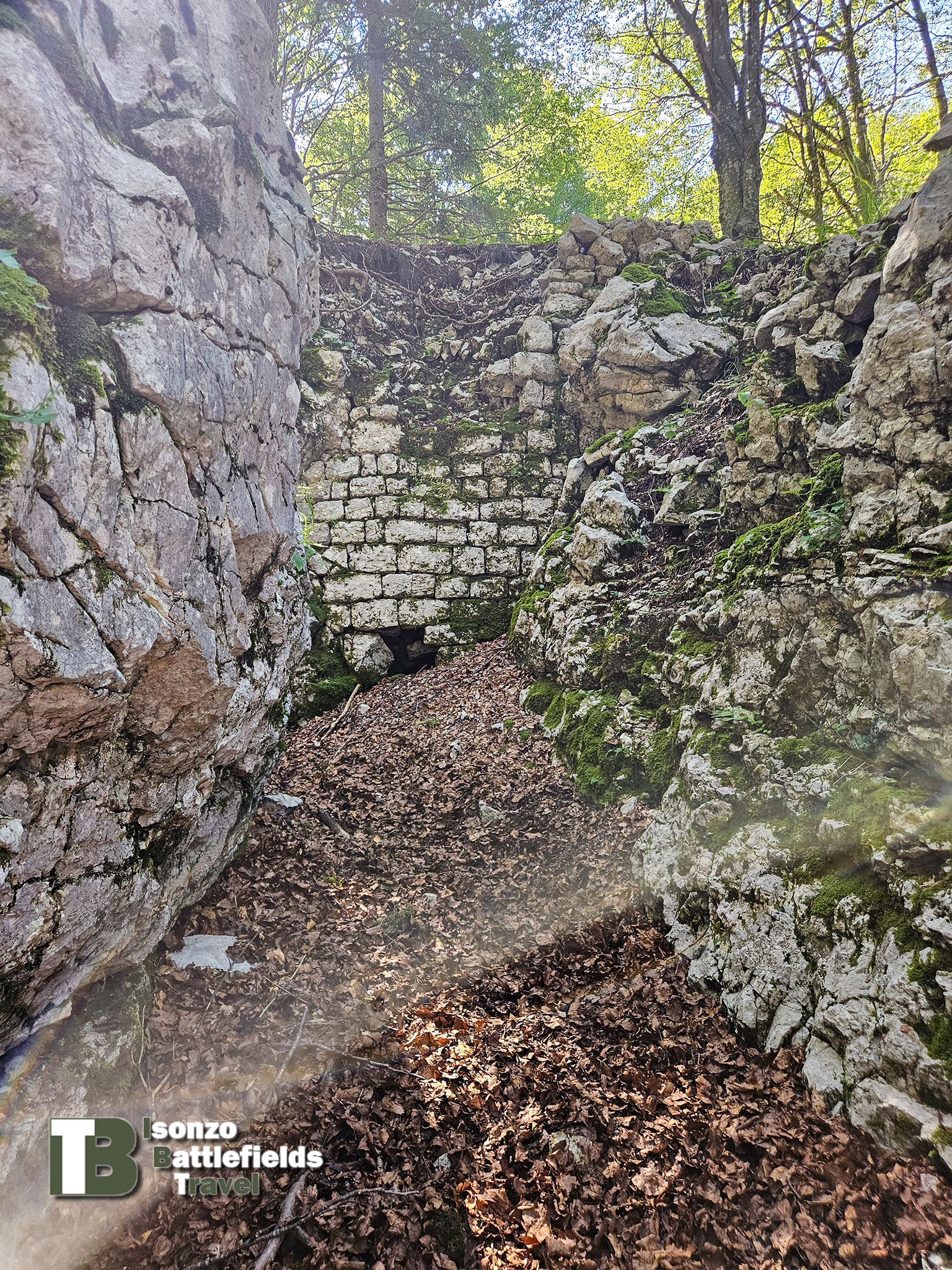
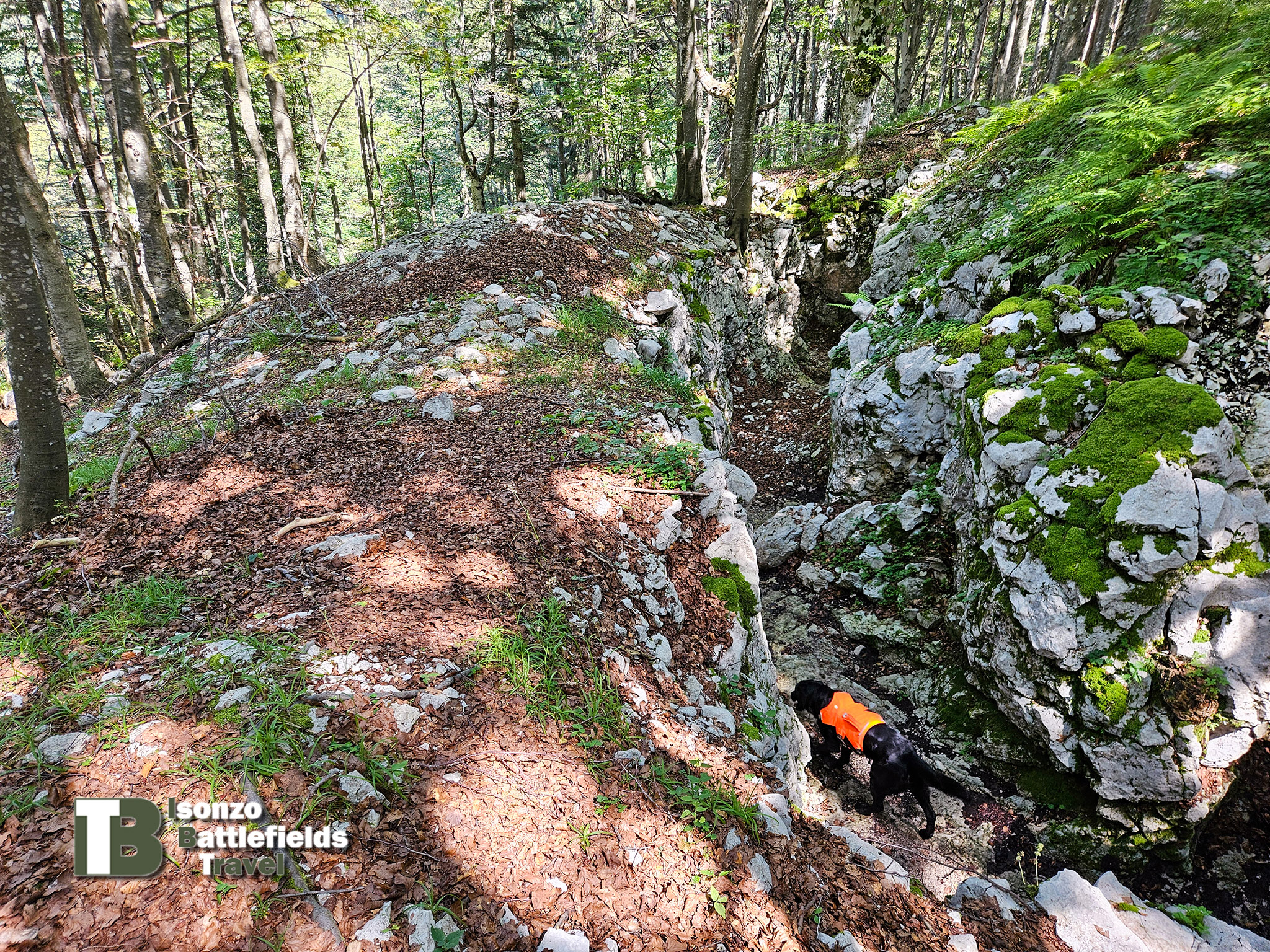
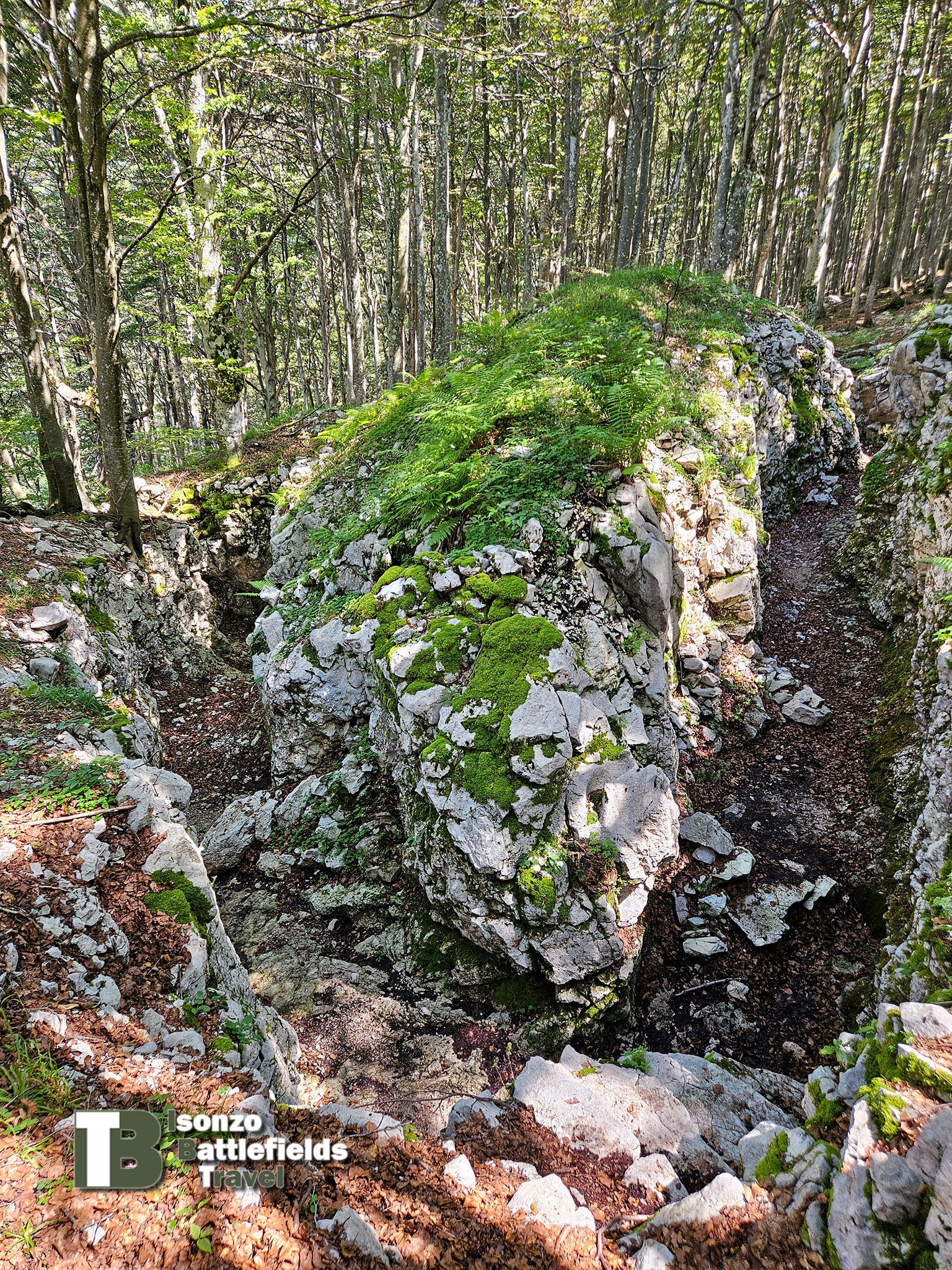
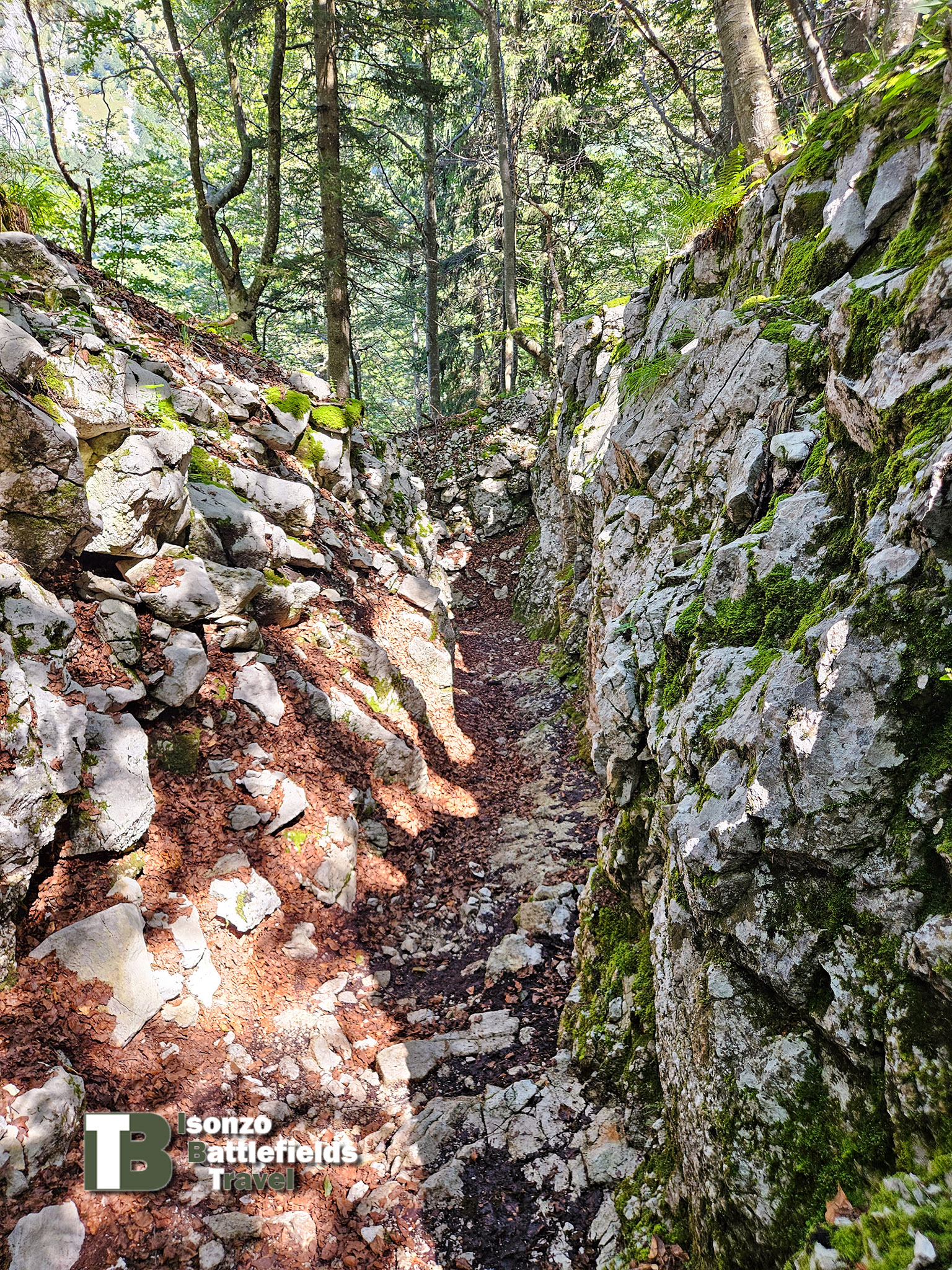
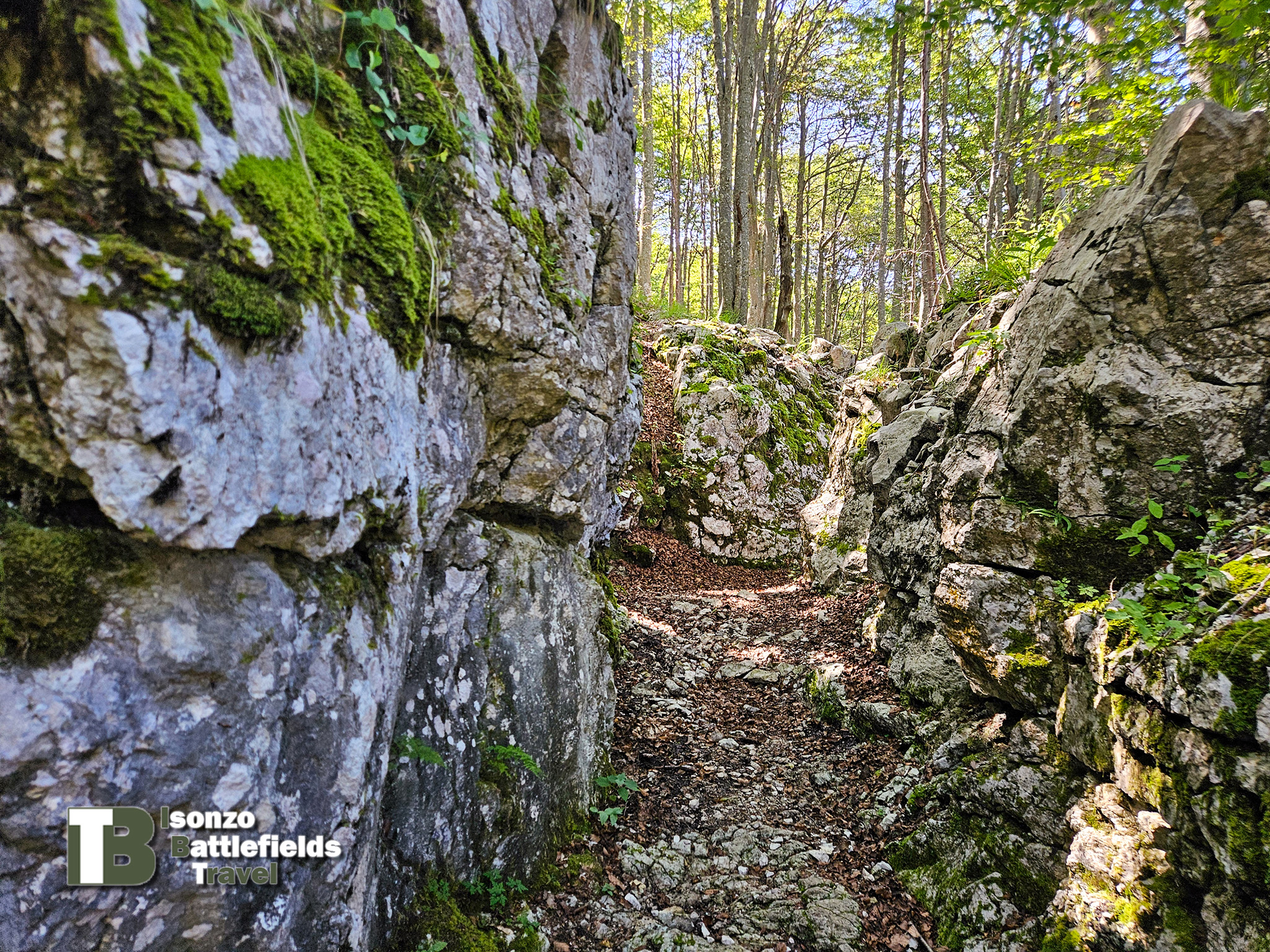
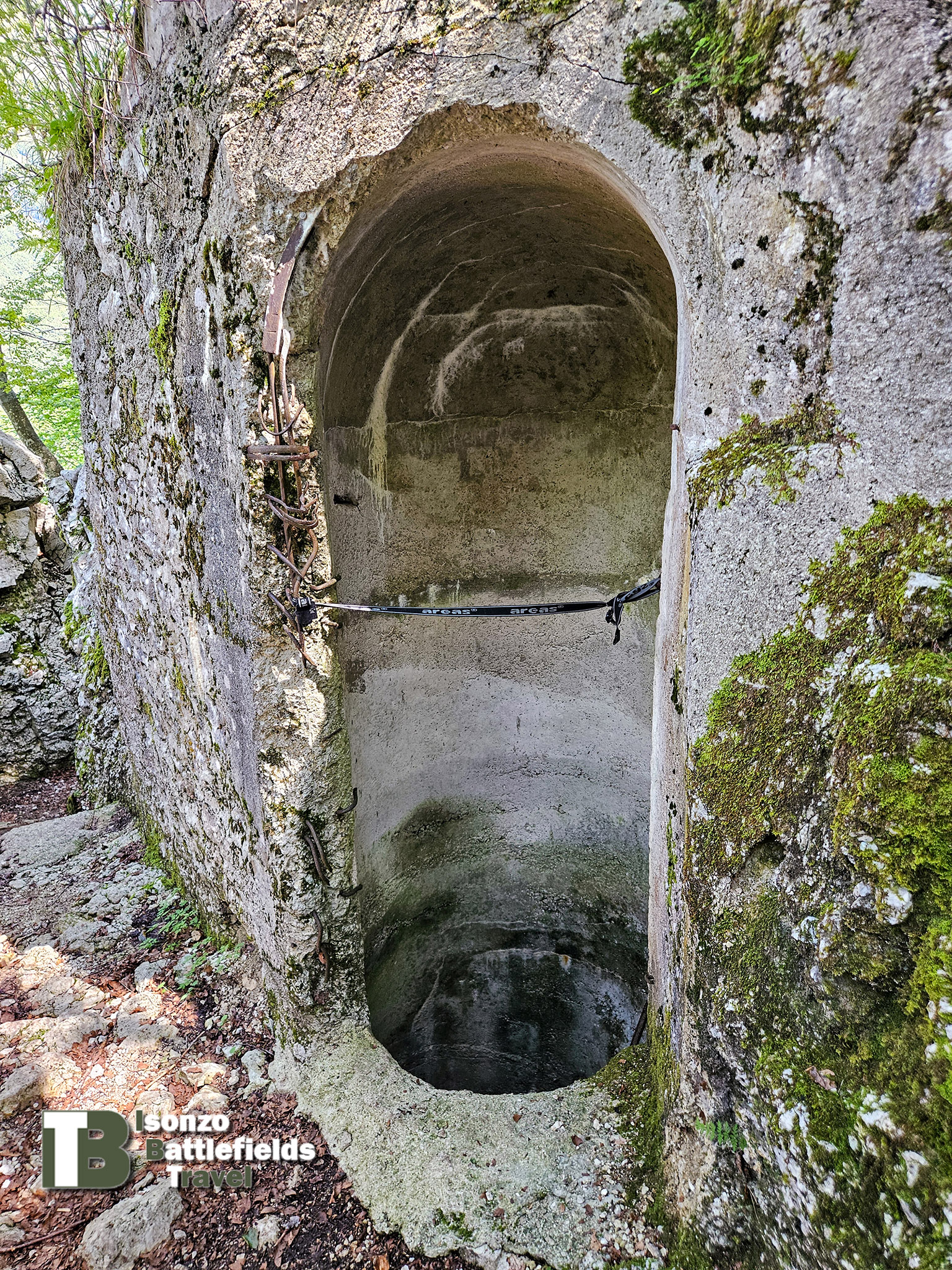
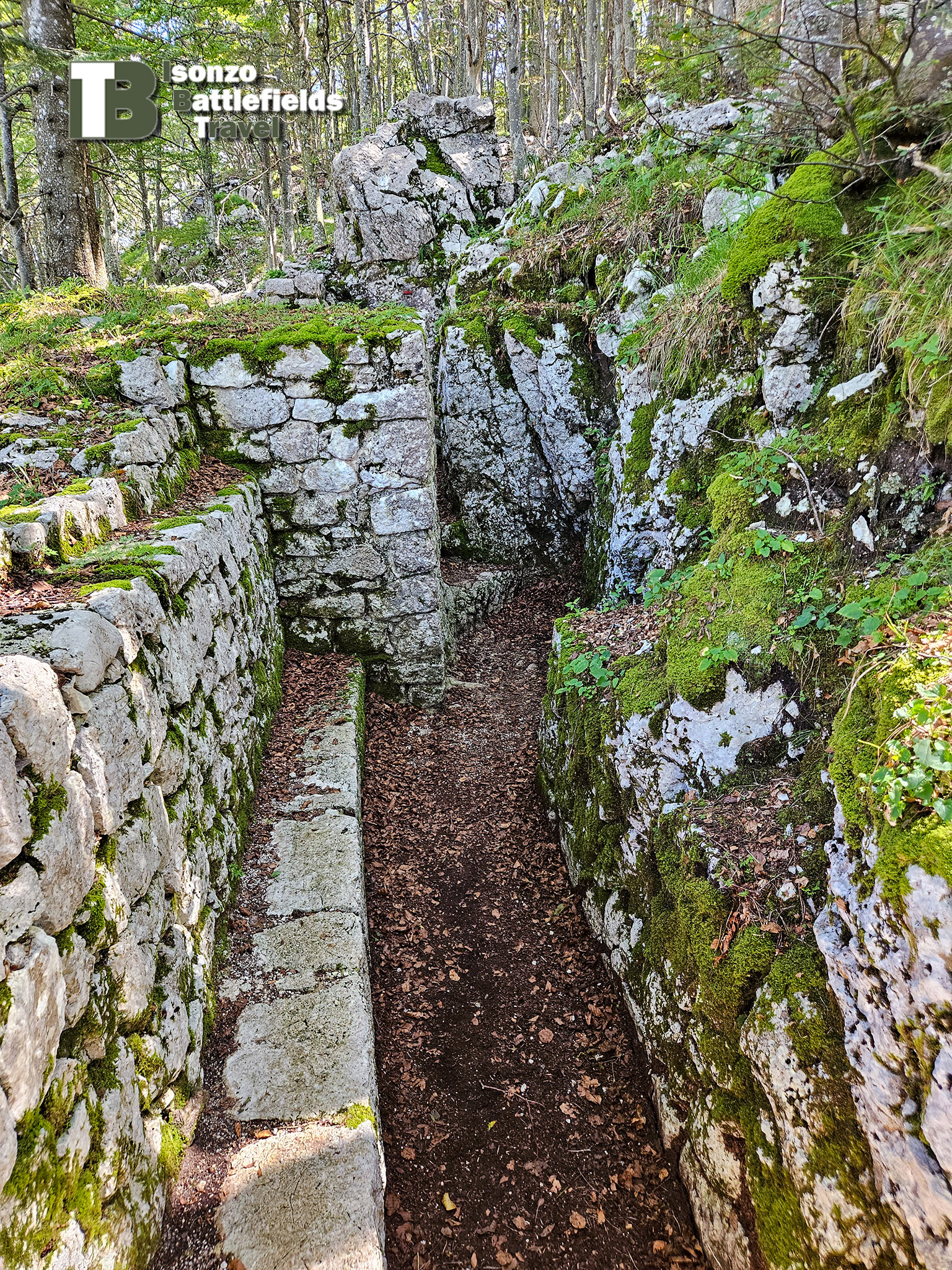
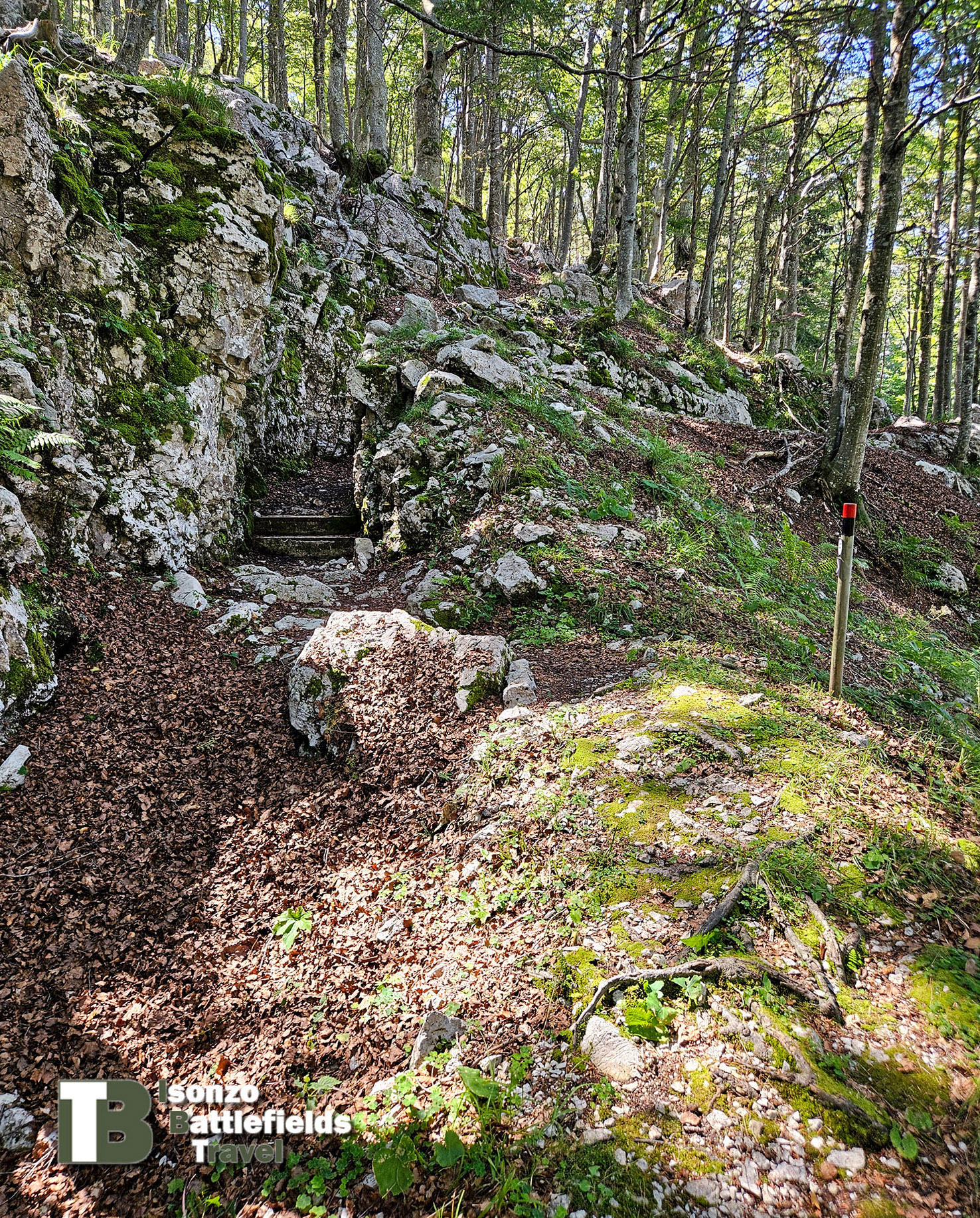
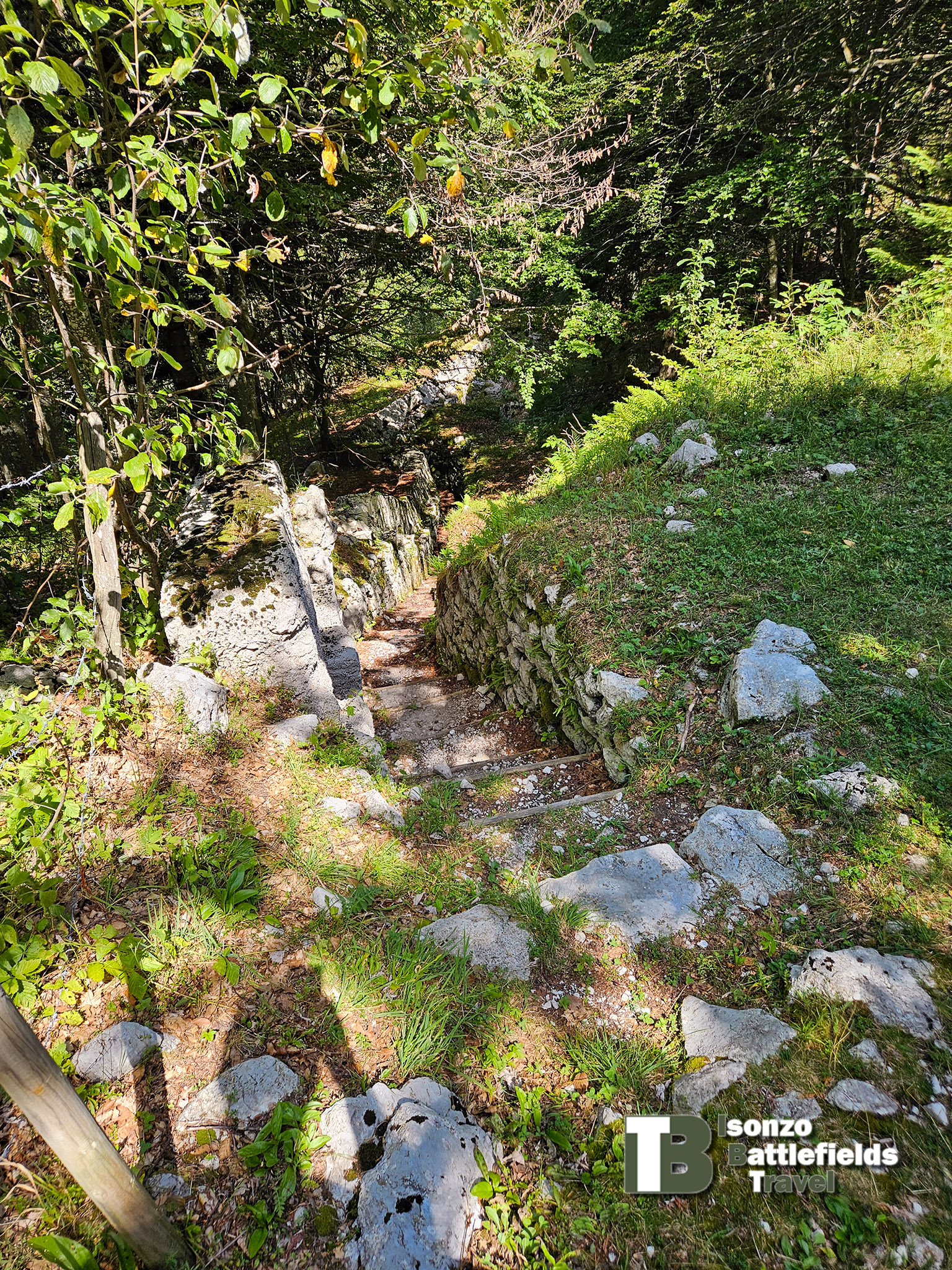
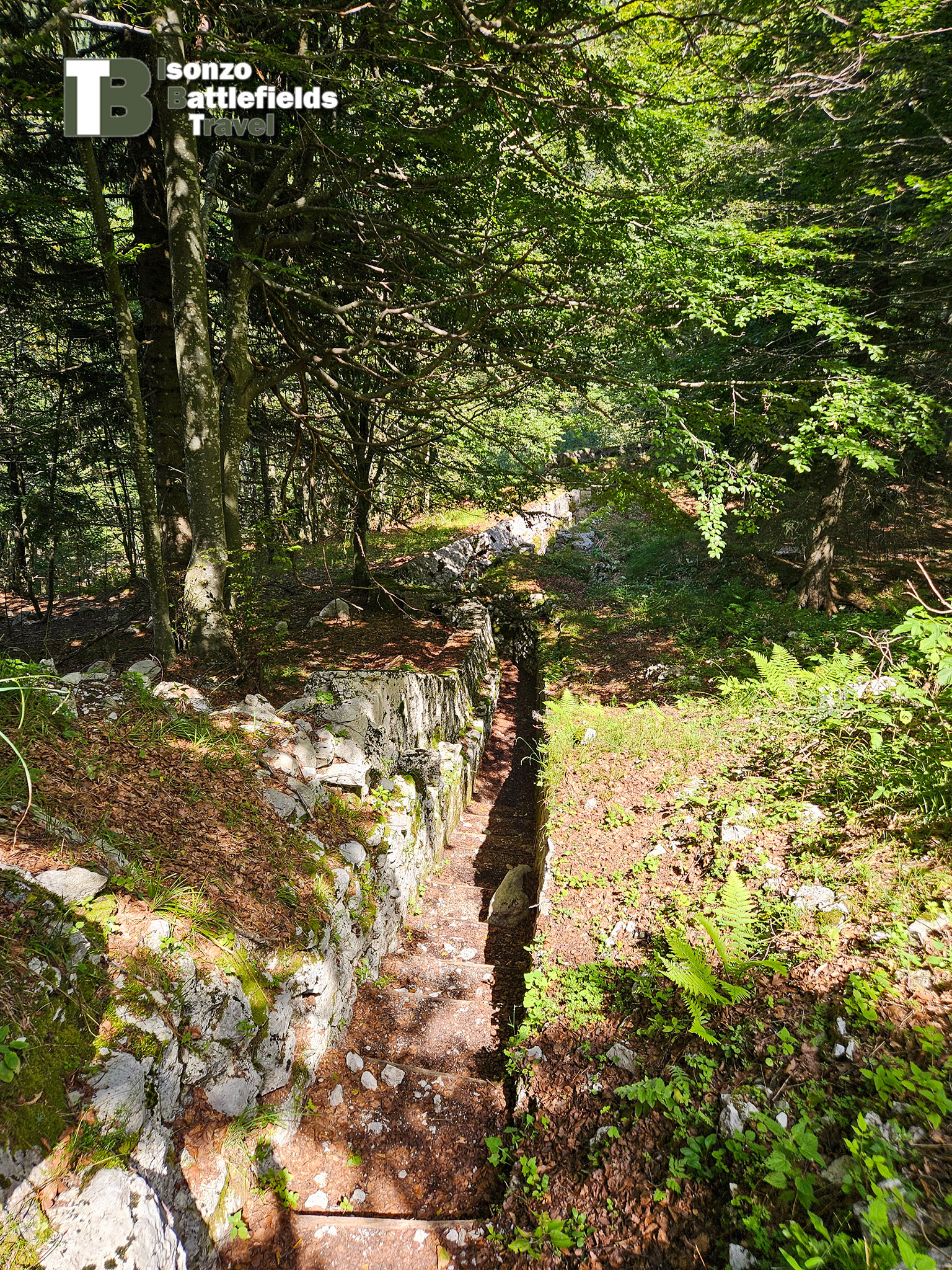
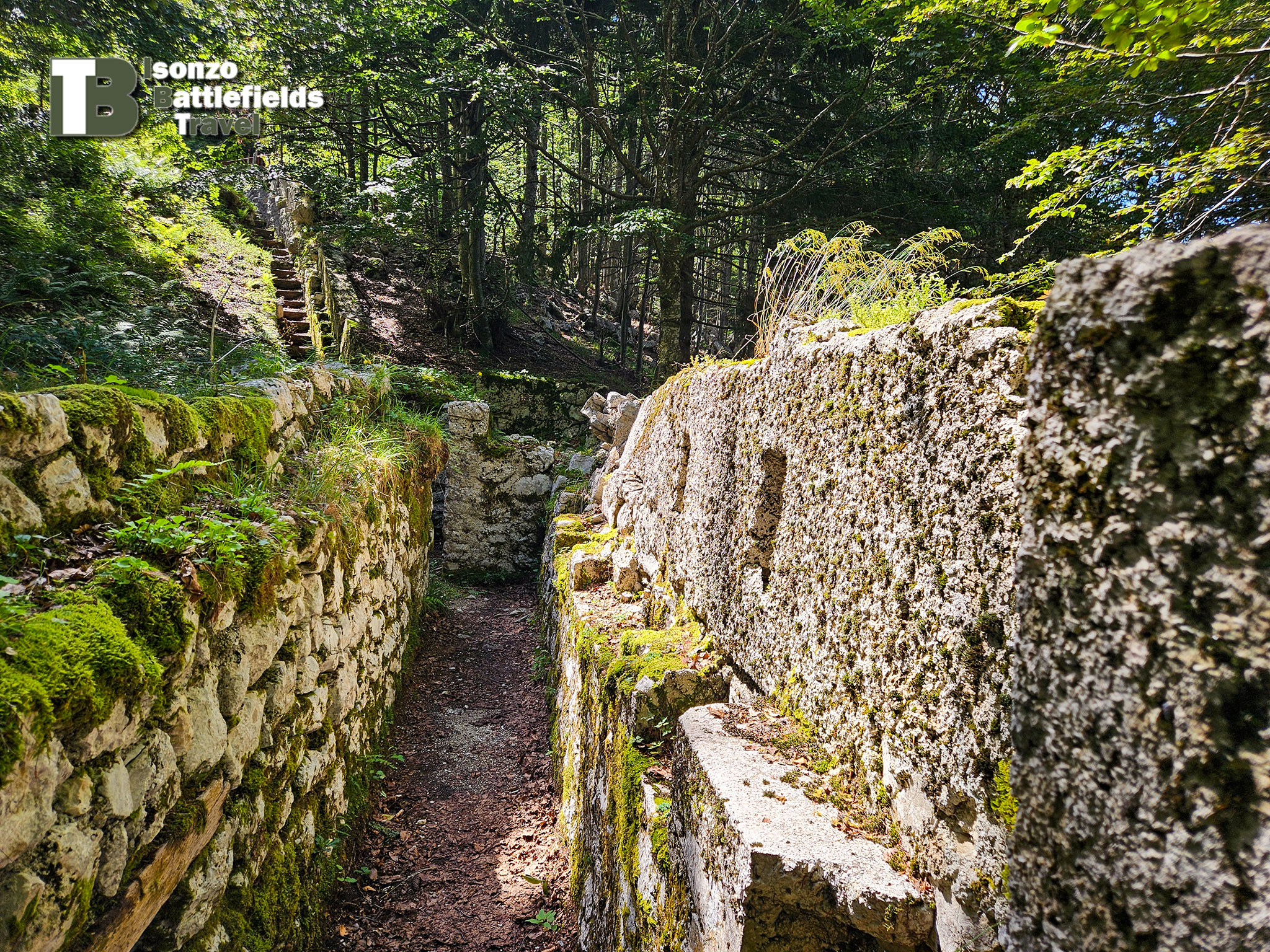
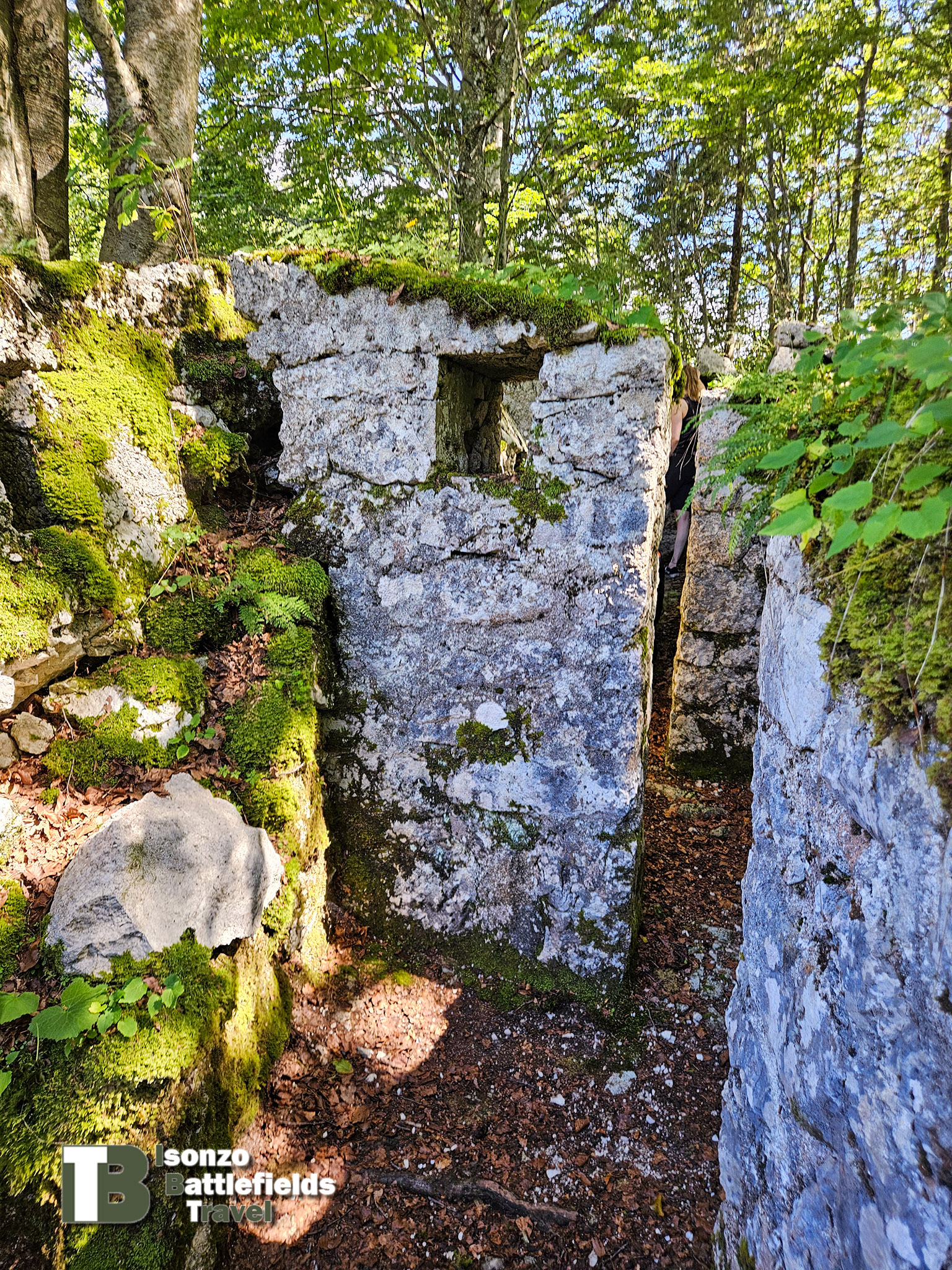
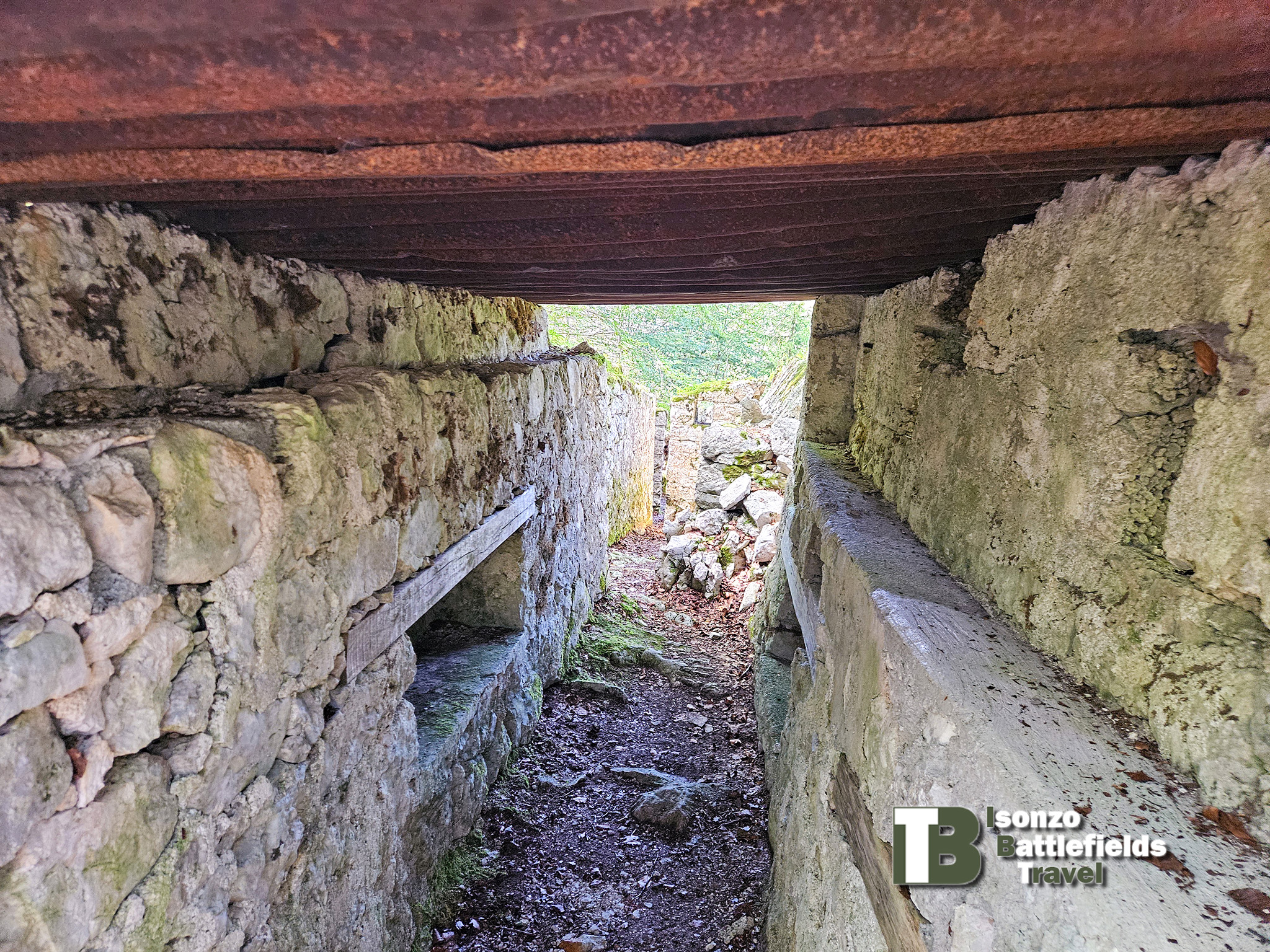
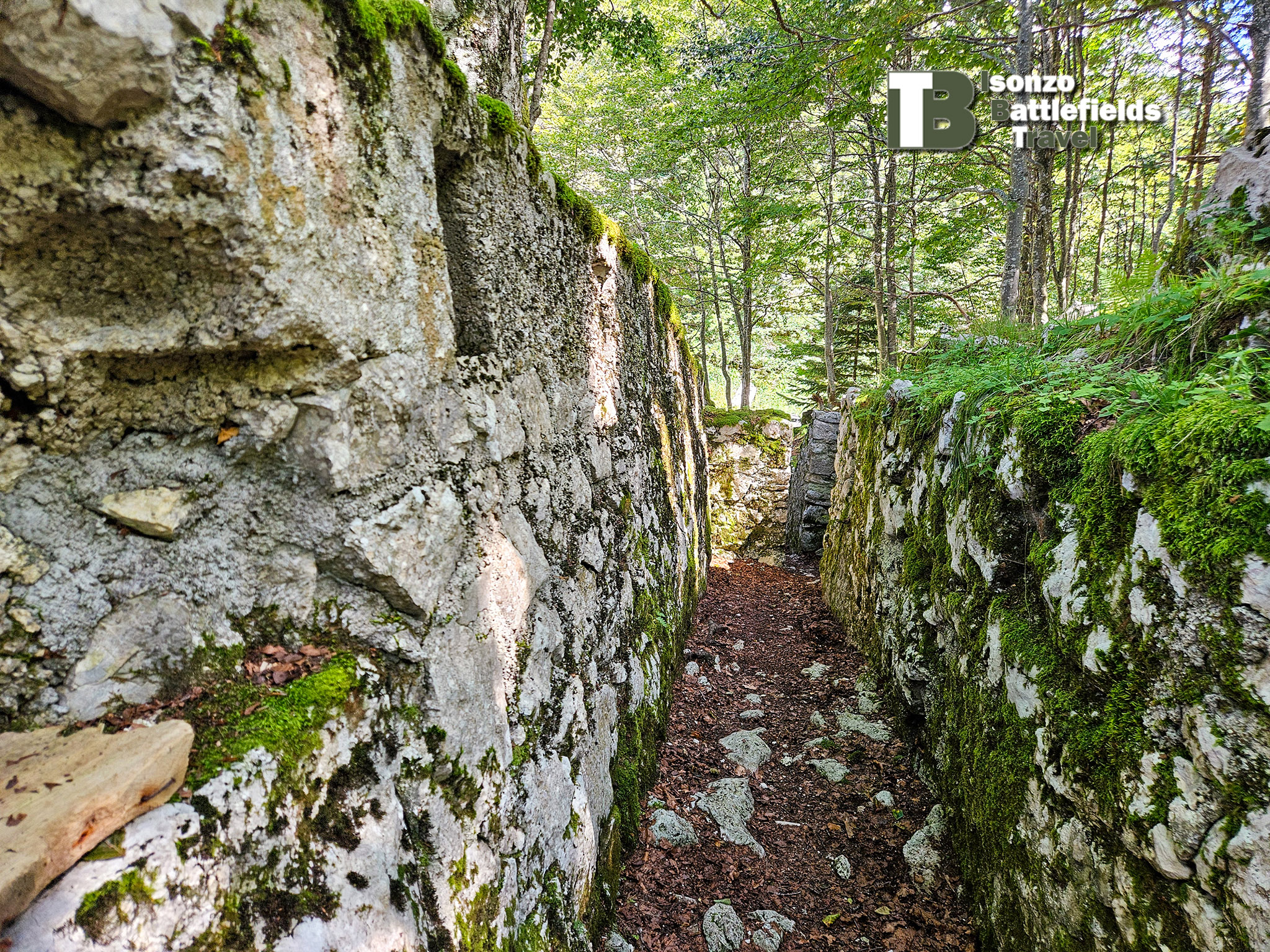
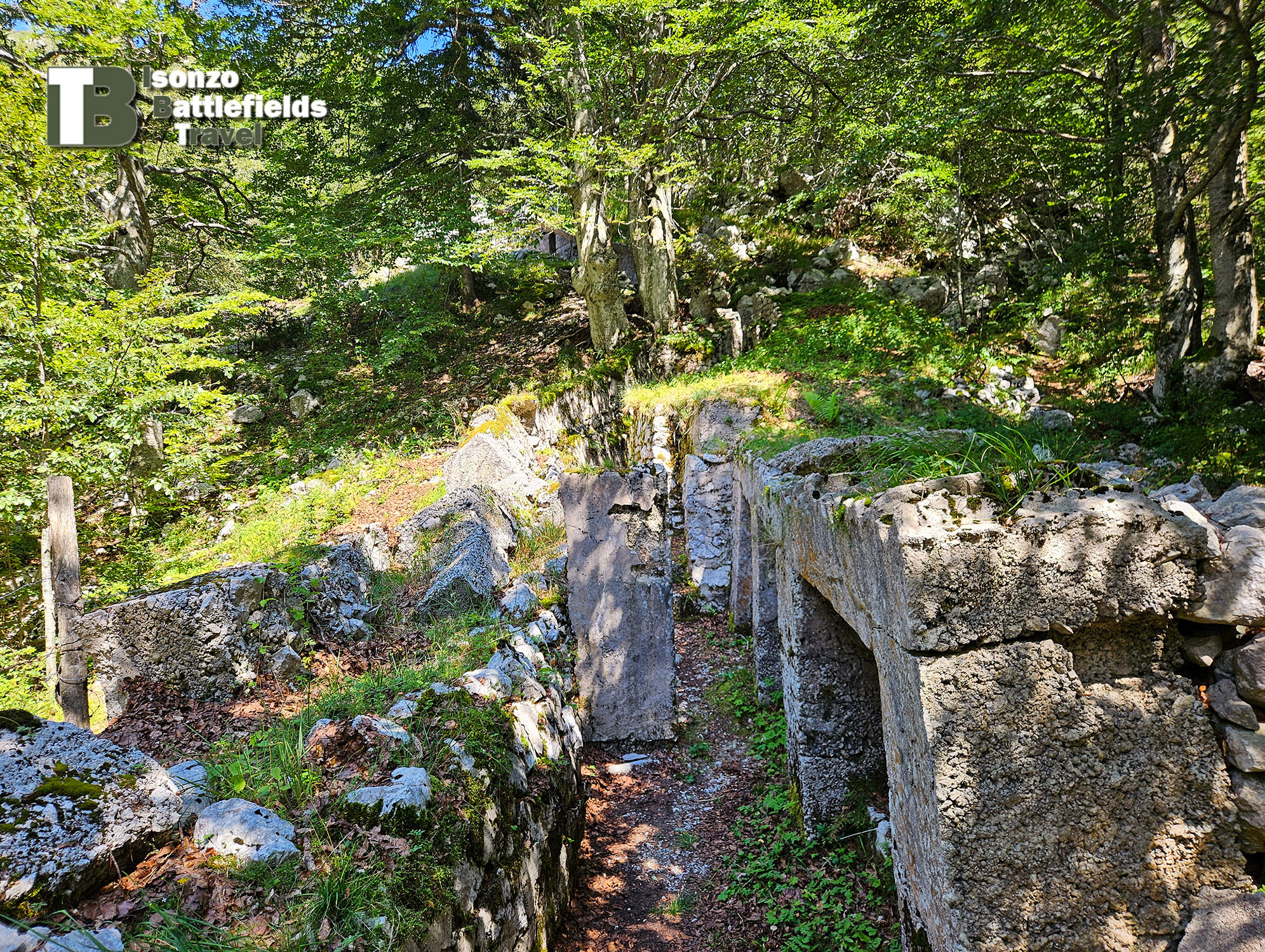
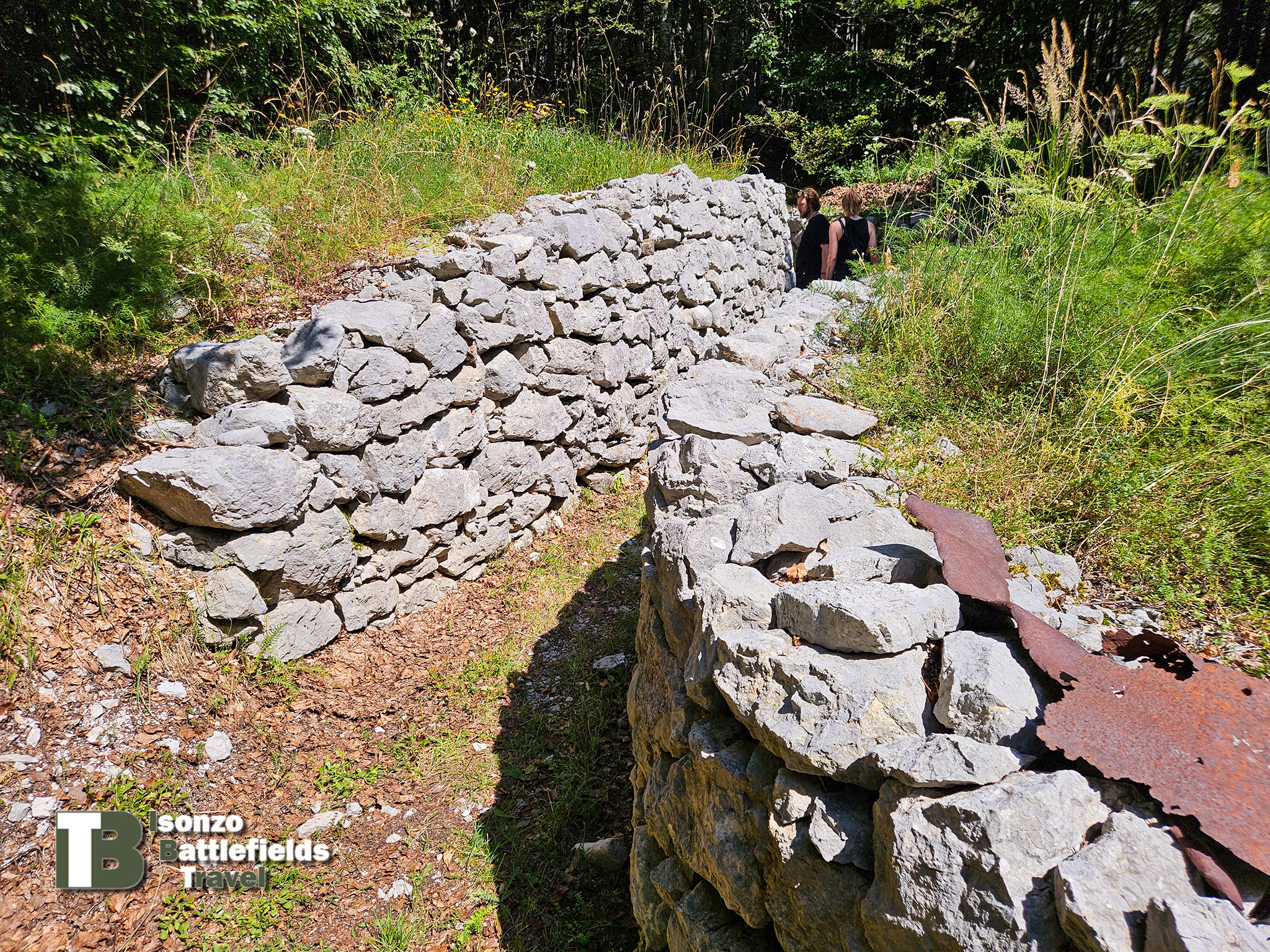
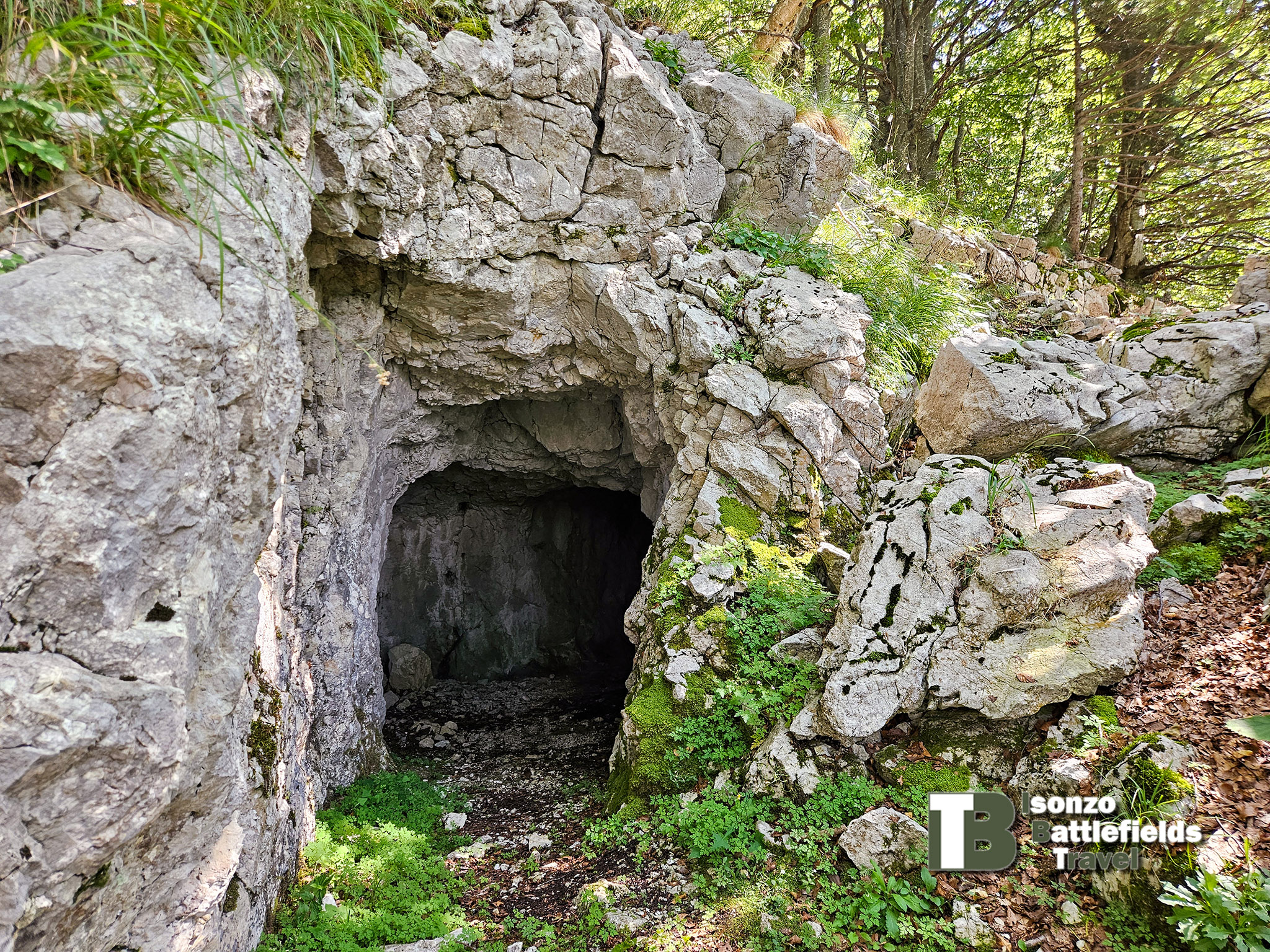
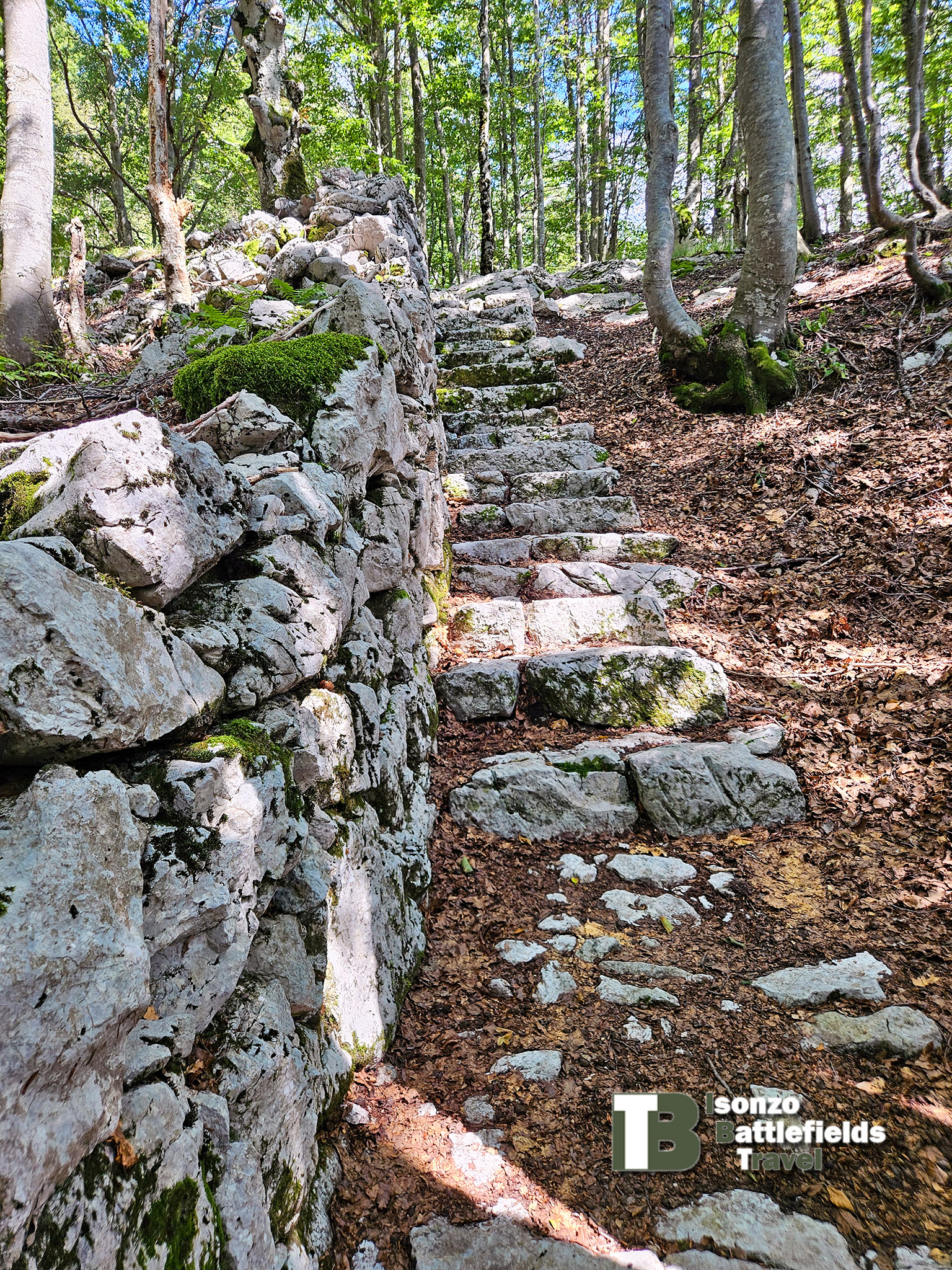
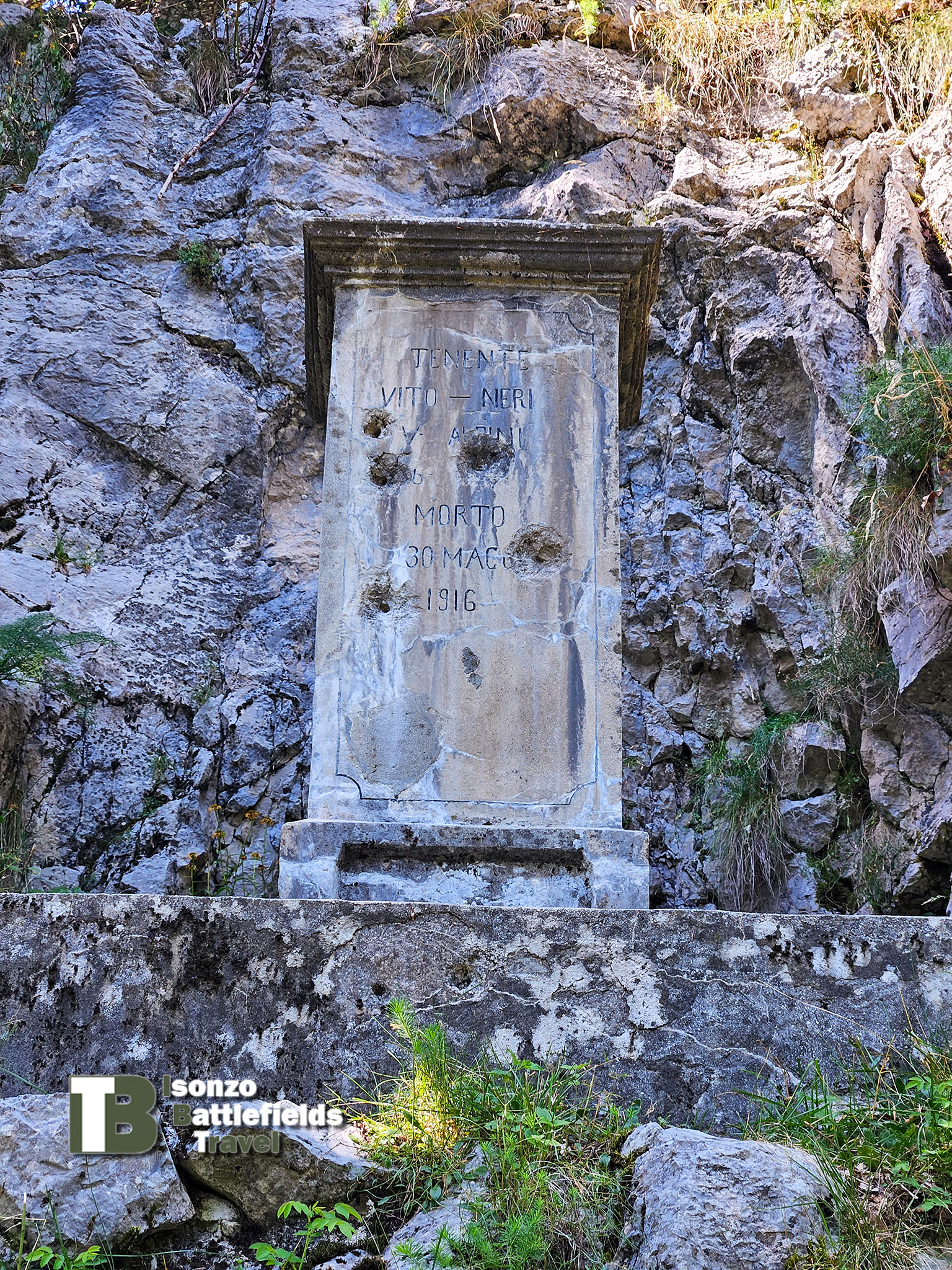
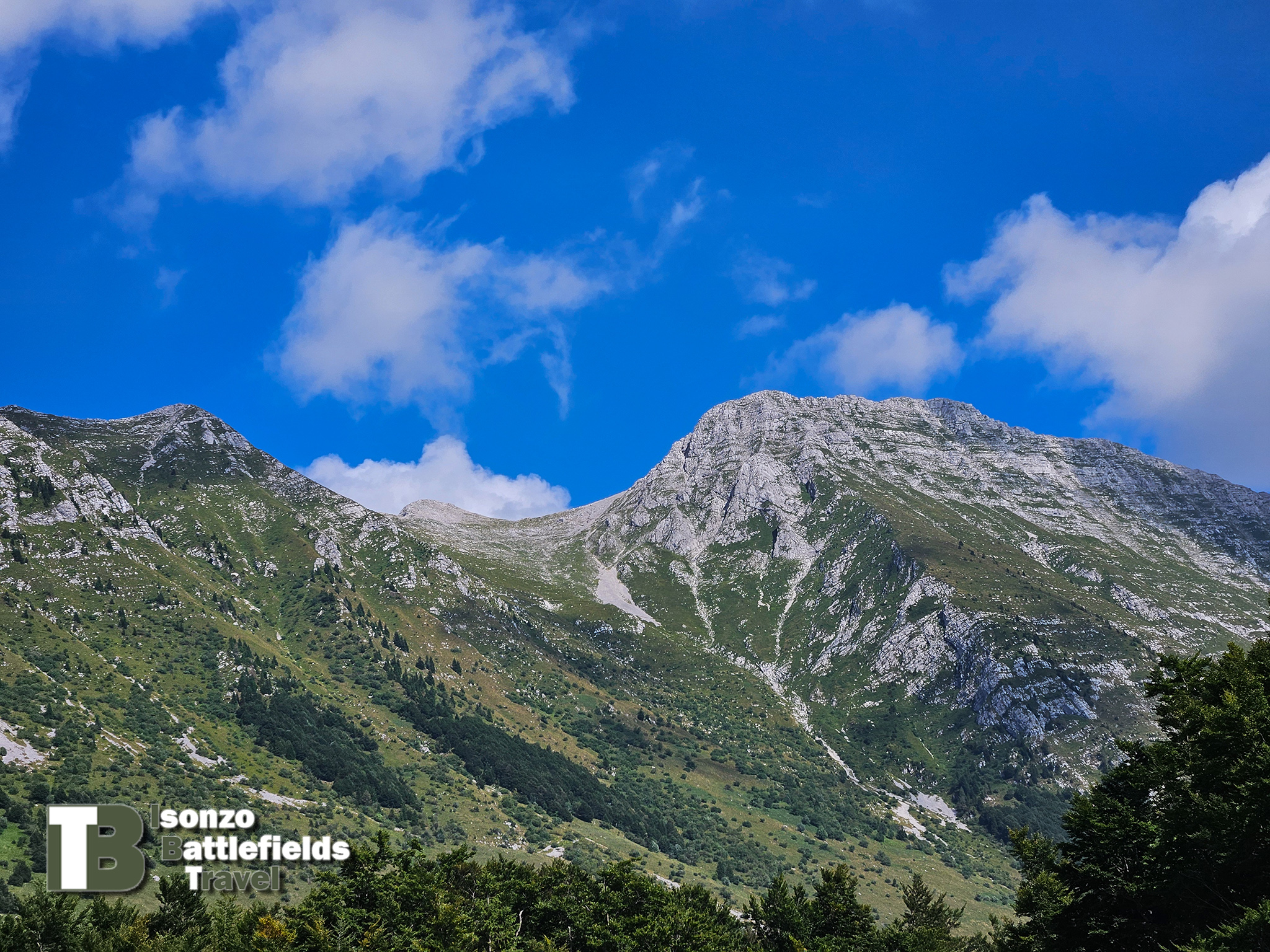
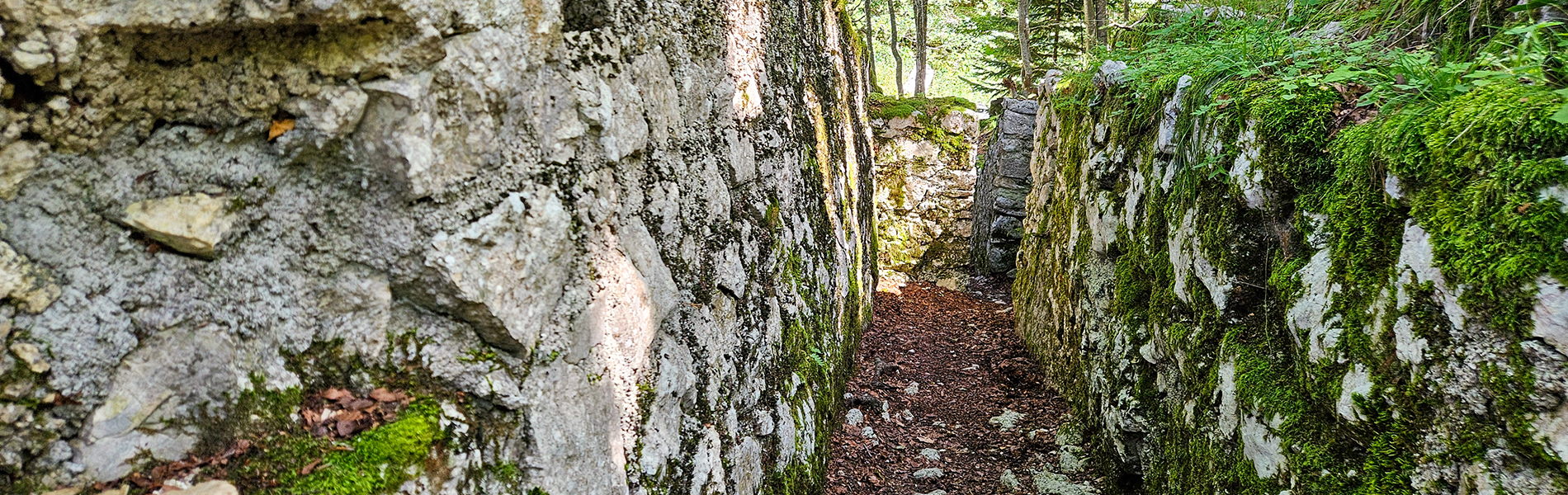
The outdoor museum Zaprikraj lies between the alpine pastures of Predolina and Zaprikraj. It is located along the Italian first line of defense. The circular path runs past well preserved and partly reconstructed positions of the Italian Army. It leads through trenches, caves, gun- and mortar positions, and past the remains of cabins.
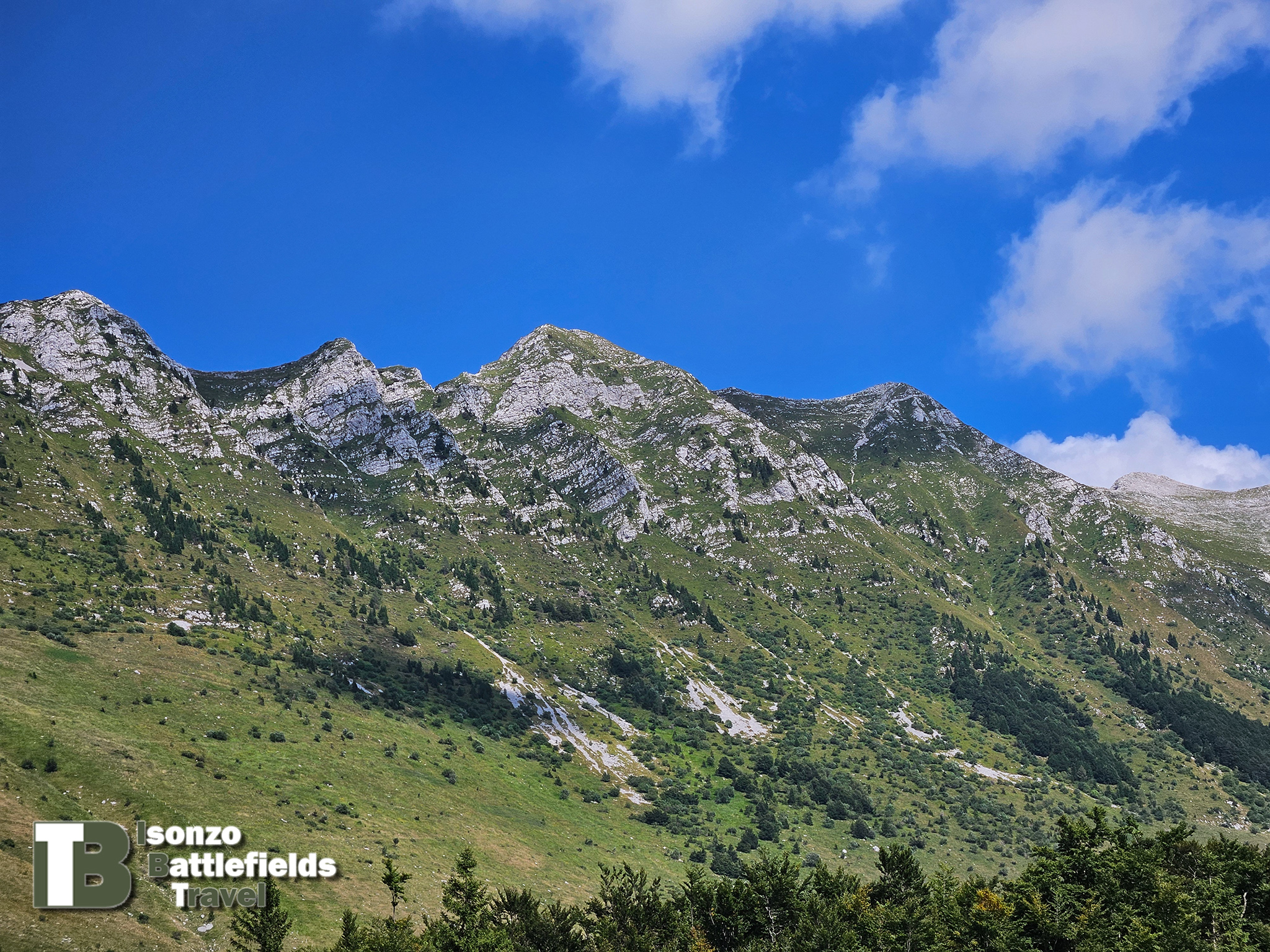
When Italy declared war on Austria-Hungary, the latter decided to transfer its defense from the then state border to the mountain ridges on the left bank of the Soča (Isonzo). At the beginning of the war, the Italians were quite successful in the mountains above Drežnica, since they conquered a large portion of the western ridges of the Krn range, and on 16 June 1915 also the peak of Mt. Krn itself. The Austro-Hungarian troops had to move northwards to more difficult positions. On the positions in the north-westernmost part of the ridge above the Drežnica mountains, i.e. on Mt. Kal, they persisted all until the breakthrough of 1917. The Austro-Hungarian Army experienced the above-mentioned defeats because its troops initially deployed in this area were not on a par in mountain warfare with the Italian alpini. Under the western part of the Krn range, on the saddle between Mt. Kal and Mt. Krasji vrh, the Italians built a system of masonry and concrete trenches with crenels, drilled caves and made gun positions. In this way they protected the area against possible Austro-Hungarian attacks. At the same time, they were able to back up the attacks of their troops, launched in the direction of Mt. Javoršček and the Golobar alpine pasture, by way of shelling. At certain points, particularly on Mt. Kal, the positions of the two belligerent armies were only a few tens of metres apart. Numerous mule tracks were then made to lead up to these positions for the purpose of warfare, and they are still clearly discernible. Likewise, a road from Kobarid to Drežnica and further on to the alpine pasture of Zaprikraj was made for the supply of the front.
In the surrounding mountains the most furious fights took place in the autumn of 1915. In the following two years the two armies got stuck in their trenches, and major attacks were launched only occasionally. The dramatic shift happened only in the Twelfth Isonzo Battle in October 1917.
Source: www.thewalkofpeace.com
August 2024